
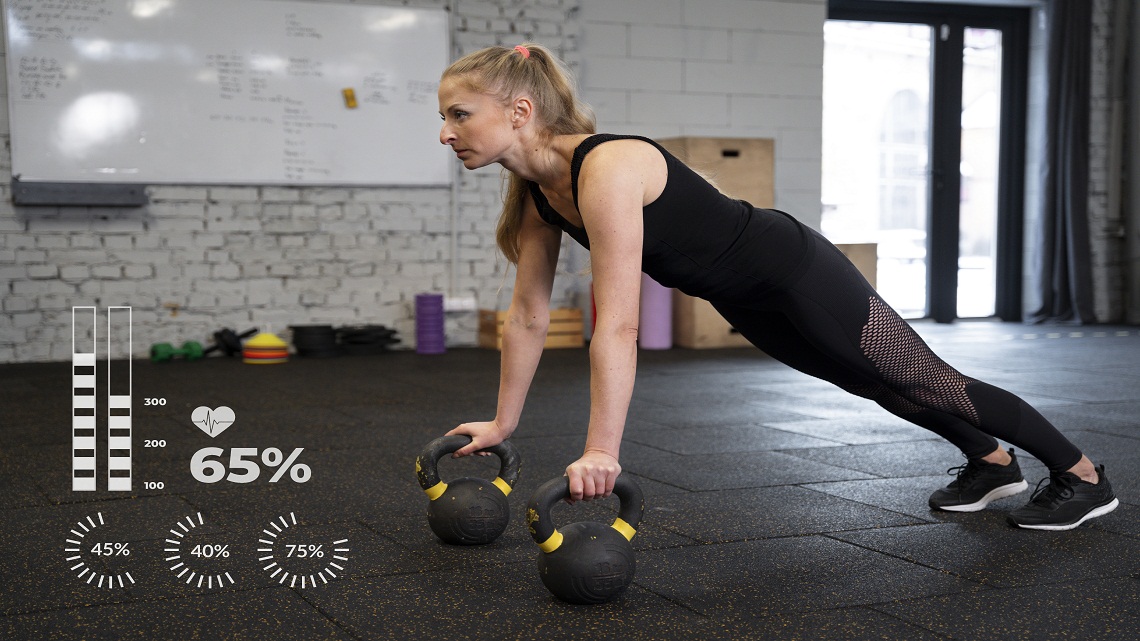
Fitness in today’s age represents an important foundation for personal and public health, rather than a specialized lifestyle approach. By 2026, fitness will find its way to the center of all healthcare discussions as chronic illnesses, an aging population, and the growing mental health concerns are compelling a substantial convergence of fitness in healthcare beyond the standard medical treatments. Several research has highlighted that fitness has the essential value of strength development, enhancing recovery, and developing resilience to enhance life longevity. Understanding the importance of these attributes will help prevent risk of chronic diseases, improve energy, brain health and physical strength, foster healthy aging, and allow us to lead a quality life.
This blog discusses why fitness will be the central focus of future health care decisions, what types of exercise constitute the definition of fitness that translates into good health outcomes, and what best trends are initiating the development of healthcare affinity to fitness trends in 2026 and beyond.
10 key fitness trends for 2026 and beyond
- Wearable Technology Integration
One of the leading trends in fitness technology among the populations is health monitoring through wearables. It facilitates multi-tissue sensing technology that enables personalized health tracking in many areas and directly connects with medical dashboards and clinician health records. Wearable’s are commonly smart watches, fitness trackers, specialized health monitors, and biometric rings etc. to conduct live monitoring of sleep rhythms, heart rate, blood oxygen saturation, temperature and blood pressure.
- AI-Powered Personalization
In a highly digitally occupied society, the use of ground breaking AI systems are now being used to effectively evaluate user data in order to develop highly personalized health and fitness training programs, AI as coaches as well as personalized treatment methods. Algorithms in AI driven wearable-tech help dynamically adjust the workout intensities and help people achieve uninterrupted coaching to improve their fitness and recovery journey.
- Fitness for Older Adults (Active Aging)
Exclusive healthcare and fitness programs centered on the aged populations are a growing trend in this era. By majorly emphasizing on a person’s weight management, specific exercise recommendations and coaching to reduce stress levels and cognitive functioning concerning their age, medication consumption and physical capabilities are becoming in demand. By providing such facilities to the aged populations, it helps them self-prioritize functional independence, strengthen care practices and improve longevity.
- Exercise for Weight Management (GLP-1 Support)
GLP-1 thrappies have become an effective wait management practice, as it adjusts the exercise according to one’s metabolic and hormonal modulations. GLP-! Receptors such as Ozempic or Wegovy, when the therapy is combined with structured exercises, it is proven to deliver better result outcomes than compared to medications alone. This is a resistance focused training method with periodic rest days, helps maintain weight loss and hunger control significantly more effectively.
- Mental Health-Focused Exercise
Exercises that are specially designed to cure and control mental and brain health problems have become a popular practice beyond the physical fitness goals. Somatic exercises, yoga and deep breath work, mood elevating aerobics, resilience training and learning and memory games are trending in this segment of focus.
- Functional Fitness and Mobility
Use of dynamic stability with varying amounts of weight in real-world situations, in order to meet the demands of doing daily tasks as well as working and preventing injury while also incorporating exercising muscle groups in isolation is effective in functional exercise.
- Hybrid and Community-Based Fitness
A hybrid model that offers personal tracking and provides a social connection has evolved at a high acceptance rate. The measurable impacts of social influence will help predict adherence to the program. Furthermore, participants will be united together into specific community cohorts for accountability and enjoyment.
- Recovery-Focused Training
Recovery is mandatory and can now be quantified using several different variables including heart rate variability (HRV), quality of sleep, muscle repair, and circadian rhythm alignment. The latest research has found that recovery programming should include sufficient amounts of light exposure, nutritional timing, and active rest.
- “Snack-Sized” Workouts and Movement Snacks
Micro-movements are frequently considered as small but intense bursts of physical activity that produce positive results regarding both metabolic processes as well as neurological health within the body. As a result, individuals can provide a temporary alternative to doing longer duration of moderate or heavy physical activity.
- Longevity and Health span Science
Contemporary fitness programs utilize biological age, cell longevity and stress levels as part of their long-term fitness programs. Therefore, the goal of many training programs is no longer about merely burning calories but instead about increasing one’s number of functional years and improving vitality, independence and overall quality of healthy living.
Conclusion
As we look ahead to healthcare, fitness training is equally pivotal in creating an environment for better health than solely the medical support. From the year 2026, the intersection of technology, prevention medicine and longevity science are all encompassed into fitness. AI personalized and recovery based programs are two major areas of convergence demonstrating a smarter approach to support people’s physical and mental health by allowing them to enhance lifespan, resilience, and controlled health outcome.
To read more, visit The Healthcare Insights.