
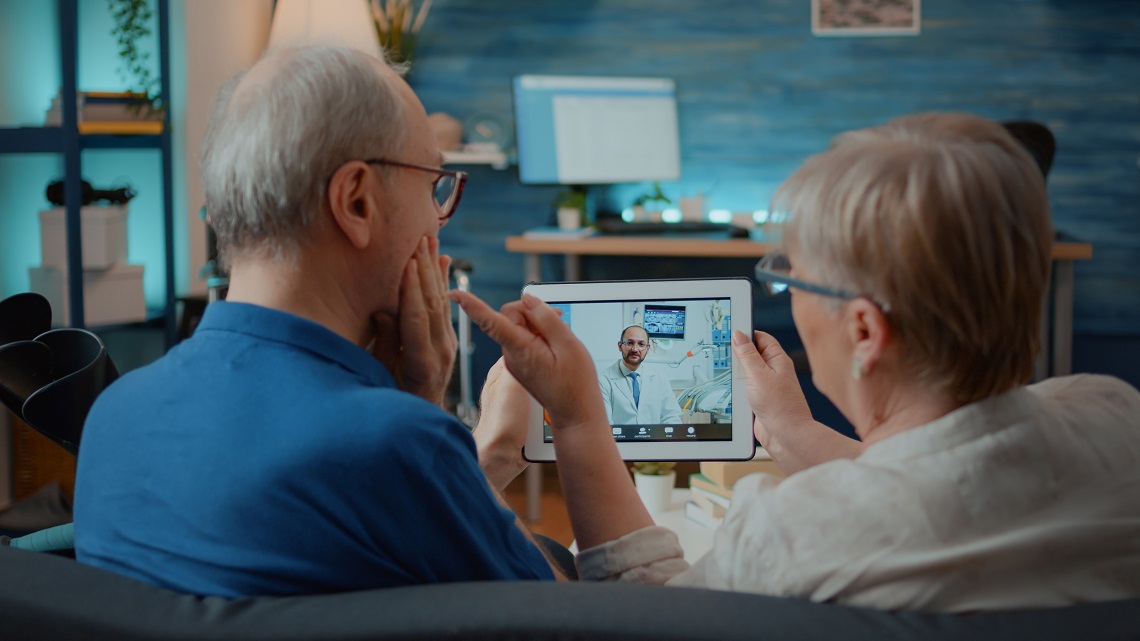
Healthcare is no longer a concept restricted in clinical visits and interventions. With the emergence of digital systems and remote patient monitoring through connected technological devices, healthcare has become more efficient, seamless and accessible across the global populations. It unlocks a reliable system to diagnose, predict and mitigate disease outbreaks in a patient centered manner. In the future, health-tech is primed for ground breaking innovations in virtual diagnostics, data security and remote healthcare delivery, leading to a groundbreaking transformation. Understand how digital healthcare and patient monitoring are evolving with unprecedented innovations and intelligent care infrastructures.
The Evolution of Healthcare in Years
Health care has transitioned from a static and scheduled appointment model to real-time and continuous supervision. Virtual health care services have advanced from basic health data tracking to now incorporating assessments of a person’s health, prescription and genomic data for curating personalized treatment plans.
The use of wearable devices for health monitoring, consolidates a patient’s complete medical history into a comprehensive digital environment.
Some companies, particularly Teladoc Health, have created large telehealth-based health care networks which highlight efficient care that can occur outside of a clinic or hospital environment. Current telehealth platforms provide each patient with an electronic medical record or patient dashboard, enable remote assessment and with AI technology helps providers improve their clinical follow-ups.
The future of health care is both virtual and physical, i.e. hybrid-based services. Although certain chronic illnesses can be monitored remotely and through telemedicine, acute illnesses can still benefit from having a physical assessment.
This healthcare model provide advantages such as
- specialist access
- cost-effective health care
- better adherence to prescribed follow-up assessments
- increased patient satisfaction and improved quality of care
The leading Innovations in Digital Healthcare and Patient Monitoring
Over these years, technology has quietly emerged as a central force for healthcare transformations. From a concept of experimental pilots to they essentially become sources of patient centered, efficient, and clinically more progressed. These includes:
- Artificial Intelligence as the Digital Clinician
The application of AI evolved into a critical tool for clinical actions. It enables imaging scans, early forecasts of disease risk, and helps professionals plan streamline personalized treatment plans. Across the medical domains, AI algorithms support understanding early warning signs of health risk through pattern recognition, allowing professionals to structurally plan clinical procedures.
Autonomous AI agents, wearable’s and multimodal AI etc. redefines the phase of health diagnostics by offering early prediction of chronic diseases including cancer and cardiac events, handling complex work processes, combining different mediator data into a consolidated format.
- Remote Patient Monitoring (RPM)
Technology facilitated a more efficient and seamless hospital care even for the under reserved regions. RPM is now a viable method for diagnosing heart rate, blood oxygen levels, and glucose via cellular connected wearable devices. The facility to analyze patient data outside of a clinical setting is instrumenting substantial advantages in managing chronic disease outbreaks, empowering patients to promote regular health screenings.
- Blockchain, Cybersecurity & Patient Data Ownership
In a digitally pioneering era, data security became a critical priority in health data management. The integration of blockchain technology and cybersecurity in data management provided a reliable solution to verify patient health records, ensure authorized access and encryption. This shift enabled advanced transparency and secure data integrity in the sector.
Trends Shaping the Future of Digital Healthcare and Patient Monitoring
- Autonomous diagnostic systems
In scenarios where AI analysis precedes a physician’s diagnosis for patient monitoring, these types of analyses enable quicker identification of pathologies, thereby providing both a faster and a more accurate diagnosis than was previously possible.
- Fully integrated smart homes for elderly care
Smart home technologies provide non-intrusive patient monitoring by identifying behavioral changes with the help of motion sensors. Such tech implementations will help identifying fall, set medication reminders, and emergency notification systems—increasing the level of safety for the elderly who live alone at home.
- AI-personalized medication plans
The advancements in artificial intelligence will foster the possibility to streamline hyper personalized treatment plans including genetic-based prescriptions, dynamic dose optimization etc. By analysing an individual’s lifestyle habits, genetics and current health status, AI enables altering the medication prescriptions as health conditions change, reducing side effects and improves overall health recovery.
- Real-time public health surveillance
Digital Health is moving toward proactive health management by merging patient data with environmental factors. AI algorithms analyse data from multiple sources such as EHRs, social media trends and digital health surveillance technologies etc. to predict the possibility of disease outbreaks in regions. This provides immediate information to the public health system, resulting in proactive responses to health requirements and potentially revolutionizing the way we safeguards populations’ health on a global level.
Conclusion
The structure of digital healthcare has been redefined with the evolving technological R&Ds. Originally, telemedicine represented the convenience of receiving healthcare through technology, while now, digital health represents a complex, continuously operating predictive digital network in accordance with real time patient data. AI predictive analysis supports the healthcare industry through value based objective delivery, patient participation, ensuring digital security by means of blockchain, and smart homes integrations. By focusing on three key principals; prevention, personalization, and accessibility, patient monitoring and digital diagnostics will continue delivering enhanced care facilities, eliminating hospital visits and accessibility hurdles. As the care moved beyond occasional visits to continuous motoring, autonomous diagnostic systems, integrated smart homes, and AI driven hyper personalised solutions will usher in the future of healthcare.
To read more, visit The Healthcare Insights.