
Drugs and medicines are often confused by the general public, as the two terms are frequently treated as synonymous. While both in reaction with the human body alters functioning efficiency, drugs and medicines are two different classes of substances divided under the terms of regulations, purpose and approval, either medical or non-medical reasons. Consequently, drugs and medications differ with respect to their intended use, regulation, and the way people perceive them. This blog defines the terms drugs and medicines, discusses how they relate to one another, and explains why responsible use of drugs and medicines are integral to overall health.
What Are Drugs?
A drug denotes a vast array of chemical substances that can alter the psychological and physiological functions in the human body. In this spectrum of substances, most drugs are low in molecular weight and are commonly classified into synthetic and natural drugs. Synthetic drugs are the compounds that are produced in laboratories, while natural drugs are usually plant extracted drugs or collected from animals.
The category of drugs covers medically approved compounds, non-prescription products, recreational or illegal drugs. These are being used for diverse cures from therapeutic drugs to minor pain relief. With invalid use of drugs or illicit substance abuse might lead to severe health hazards, addiction or death.
Types of Drugs
- Stimulants
- Depressants
- Hallucinogens
- Analgesics
- Antibiotics/Antivirals
How Drugs Interact with the Body
Drugs in reaction, it influences the biochemical process by binding receptors, modifying enzymes and signaling pathways within cells. Certain drugs can act as a stimulant and represent the central nervous system. The effect will be different in different human bodies with respect to certain conditions, hence effective dosage is determined by medical professionals by evaluating the individual biological differences.
What Are Medicines?
Medicine or medication is a specific category of drug that has been tested, approved and used for therapeutic purposes. Medicines are mainly used for diagnosis, treatment, disease prevention, and cure. Unlike the broader categories of drugs, medicines are highly regulated products, developed under strict laws (FDA, EMA), research, clinical trials, and regulatory approvals in order to maintain safe usage.
Examples of common medicines
- Analgesics – Pain relievers such as paracetamol, ibuprofen
- Antibiotics – Treat bacterial infections. Eg: penicillin, amoxicillin
- Antipyretics – Fever reducers
- Vaccines – Preventive measure against infectious diseases
- Hormones – Hormone regulators such as insulin for controlling diabetes
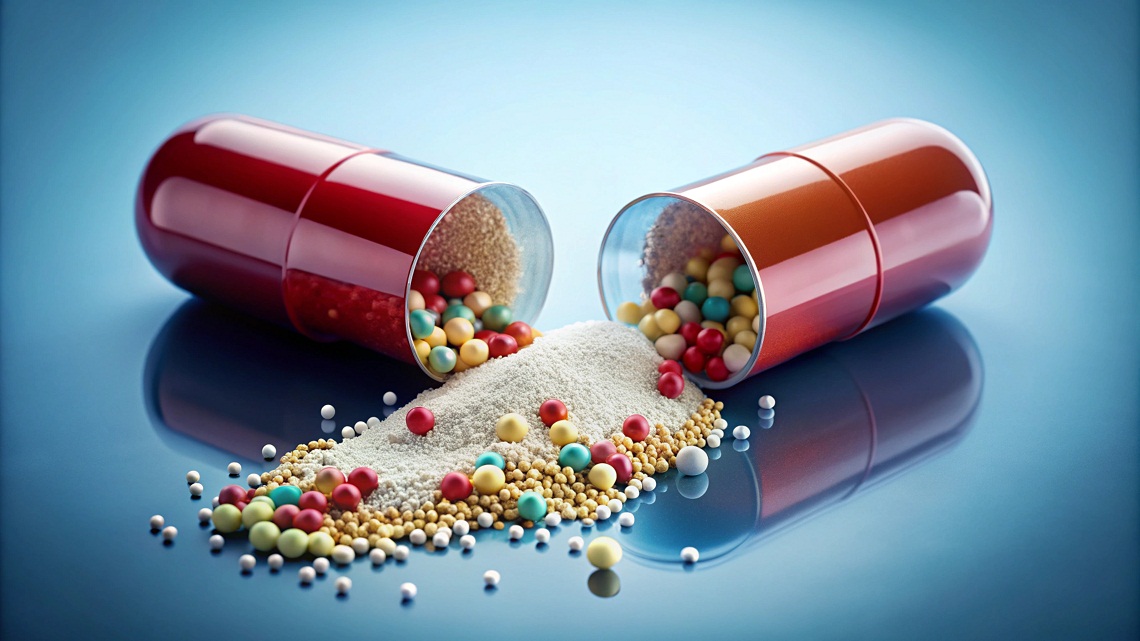
Medicine is not chemically a pure form. It is a mix of drugs with substances like fillers, binders, and flavors. The dosage indication may vary, including tablets, syrup, injection, or as a topical cream. It is necessary to consume at the right dosage, as some toxins in high dosage can lead to adverse effects.
Majority of the class of medicines are categorized as prescription only due to its harmful effects or reduced effectiveness if consumed in incorrect dosage. It is vital to ensure the supervision from a medical professional to confirm the safety of medications, especially in the context of long term treatments.
Drugs vs Medicines: Key Differences
- Purpose
While drugs can serve a variety of purposes; e.g., application of recreational or experimental usage. However, an intended function of a medicine is solely for therapeutic purposes.
- Usage
Drugs can be used with or without supervision or medical prescription, and do not require any legal precedent for approval. Medicines, however, must be used in accordance with established medical protocols, physician’s approval, and legal approvals.
- Safety
Drugs vary widely with minimal safety evaluation and may include harmful or addictive characteristics. Medicines are thoroughly investigated, specified as safe within established guidelines. There is potential for side effects if consumed incorrectly.
- Perception
Drugs have a societal expectation of a negative connotation with illegal or dangerous characteristics. Medicines are typically viewed as necessary to support and restore health.
- Prescription
Not all drugs require a prescription, however, most medicines prescribed for a serious condition would typically require one from a qualified medical professional.
- Regulations
Drugs can be loosely regulated, restricted, or prohibited and usually varies based on the drug’s classification as well as the evaluation by the regulatory authorities. In the pharmaceuticalsindustry, medicines developed under strict standards of regulations in order to mainly demonstrate quality, safety, and efficacy.
- Approval Process
Medicines will undergo a lengthy approval process including laboratory testing, clinical trials, and evaluation by regulatory agencies. Drugs in the illicit classification will frequently not go through these processes.
Conclusion
In conclusion, drugs and medicines are, arledly co related, however distinguishes with various characteristics. One of the primary indicators of this difference is related to their purpose, regulation, and use. Medicines are primarily developed and approved on the basis of strict regulatory benchmarks, specifically for treatment purposes and required professional prescription. While drugs describes a broader category of substances, including both harmful as well as beneficial drugs and not all types require a doctor’s prescription. By promoting knowledge on the differentiation between a drug and medicine help consumers as well as care providers to become more conscious about Healthcare decisions, help them avoid misuse, and eliminate the complications related to self-medicated use. Ultimately, this increased awareness will lead to improved treatment effectiveness and to a more responsible use of pharmaceuticals in daily life.
To read more, visit The Healthcare Insights.