
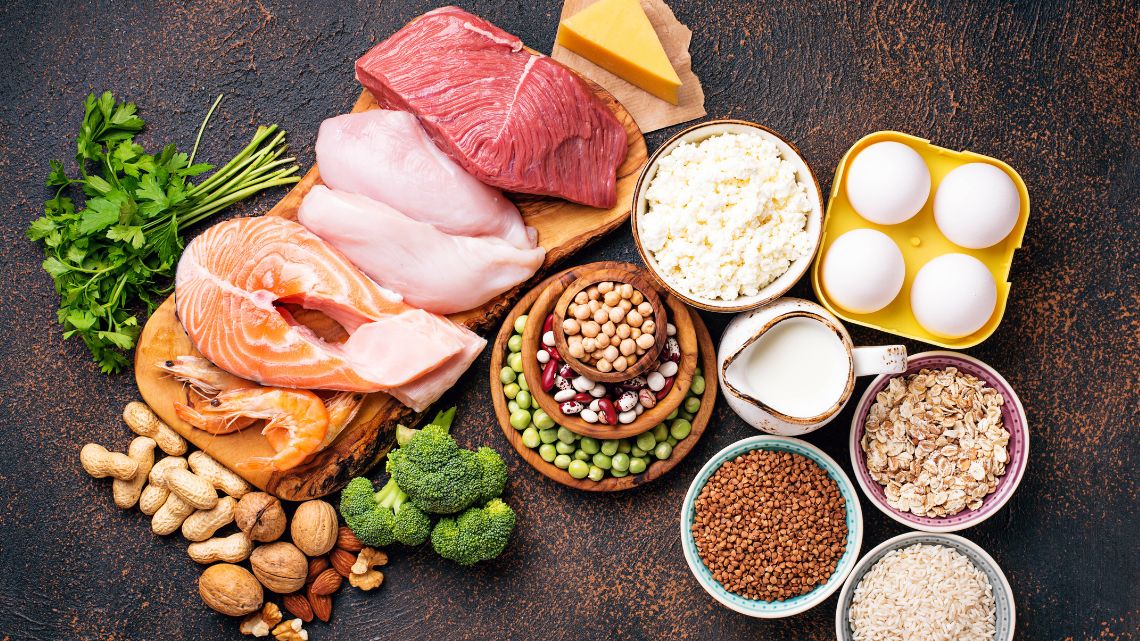
Protein is a cornerstone element for the structural and functional support of physiological processes, affecting many aspects of muscle strength, cellular repair, and metabolic regulation rather than considering it as merely a macronutrient. With requirements such as quicker recovery has made protein power in diets an increasing priority. The awareness of what are the high-end, rich in protein food sources is not merely about meeting intake targets but also about maximizing health vitality and resilience.
What is Protein and Why is it Essential?
Protein is a fundamental macronutrient in addition to carbohydrates and fats, refers to an essential component the human body requires in large amounts to function properly. It is composed of amino acids derived from various biological processes and present in every cell including bones to hair and skin. Although all three macronutrients are core energy sources, protein is a crucial component for the synthesis of tissue growth and regeneration.
Key functions of Protein:
- Muscle growth and repair: Protein is the yielding block help for tissue repair muscle regeneration post workouts or injury.
- Enzyme and hormone production: A wide range of hormones and enzymes are proteins, helps with metabolism, digestion, energy production as well as signal transmission between organs.
- Immune support: Proteins vitally support the formation of antibodies that support the body fight against diseases, viruses and bacterial infections etc.
- Cell structure and maintenance: Substantial for the growth and sustainable maintenance of issues of skin, hair, nails and organ structures.
Categories of High-Protein Foods
Animal-Based Protein Sources
- Chicken Breast
Chicken breasts are a good staple for high protein food content. It is the most suitable source for lean protein, providing an approximate quantity of 30-31 g from a 100 g of meat. The low fat content helps to integrate it as a good source for making balanced meals, especially for muscle development and recovery.
- Fish/Seafood
Fish and seafood variants such salmon, tuna, and sardines, can be called nutritional powerhouse, as it contains higher amounts of protein and they are rich in omega-3 fatty acids. Fatty fish and seafood typically composed of around 20-25g of proteins for every 100g serving. Essentially a great source of protein for maintaining cardiovascular health, lowering inflammation, and support brain health.
- Eggs
Eggs are most nutritious, as they emerge as a great source of multivitamin foods people of any age group can eat. A single egg offers about 6 or 7 grams of bioavailable protein, also vit B12 and choline, two of the essential vitamins that are pivotal for brain health.
- Lean Beef & Pork
Red meat such as beef or pork are significantly high in concentrations of protein as well as a primary source for iron, zinc, and B12. Opting for the lean cuts provides minimal fat content, supporting the generation of red blood cells as well as transforms food into energy.
- Dairy
Excluding the content of calcium, all of the dairy products have whey and casein. Dairy sources such as Greek yogurt and cheese contribute to bone health, delivering approximately 11g of protein per 100g serving.
Plant-Based Protein Sources
- Soy Products
Soy products like tofu, tempeh, and soy milk are an excellent source of protein. They are equal in protein content to animal protein, making these foods ideal for vegetarians and vegans alike. In addition to being good sources of protein, soy products also contain phytonutrients that are great for heart health.
- Lentils and Beans
Lentils, chickpeas, black beans such legumes are highly nutritious and protein dense—approximately 18 grams of protein per cup. It is shelf stable and affordable, combination with rice and vegetables will help cover complete nutrition profile. Lentils also contain soluble and insoluble fiber which helps in digestion and stabilizes blood glucose levels.
- Nuts and Seeds
Both dry roasted and blanched nuts such as almonds, peanuts and chia seeds, flaxseeds and pumpkin seeds are excellent sources of protein, contains higher amounts of healthy fats and antioxidants. Such food blends can also be consumed as snacks in-between between meals or as an additive to meals to increase the nutrient density of the meal.
- Quinoa
Quinoa is a rare grain to find as a complete protein. It contains many nutrients in addition to protein such as magnesium and iron. Quinoa is therefore signifies as an excellent source of nutrition for those who follow a plant-based diet.
Additional High Protein Sources
- Whey-Infused Peanut Butter
This new product is both nutritious and useful to individuals seeking to increase their daily intake of protein conveniently. Integrating Whey to the peanut butter is especially helpful for those who require a higher amount of protein than most people do.
- High-Protein Nut Blend
Blends of high-protein nuts such as combination of seeds and nuts and other protein-rich ingredients that create an even distribution of protein, fiber, and healthy fats. They will provide long-lasting energy throughout the day for individuals who lead very active lives.
Conclusion
The consideration of protein sources should be evaluated by three critical factors; the amount of protein concentration, the type or quality and whether the protein supports your unique health goals (diversity). Developing a conscious focus for protein-dense foods, leading to improving metabolic efficiency, and long-term vitality. Strategically designing the protein consumption and combining with nutrition and hydration will translate into optimum level performance in physically demanding activities, promotes resilience, supports recovery, and provides a solid foundation for supporting overall health and performance, especially in the fast-paced lifestyle of today.
To read more, visit The Healthcare Insights.