
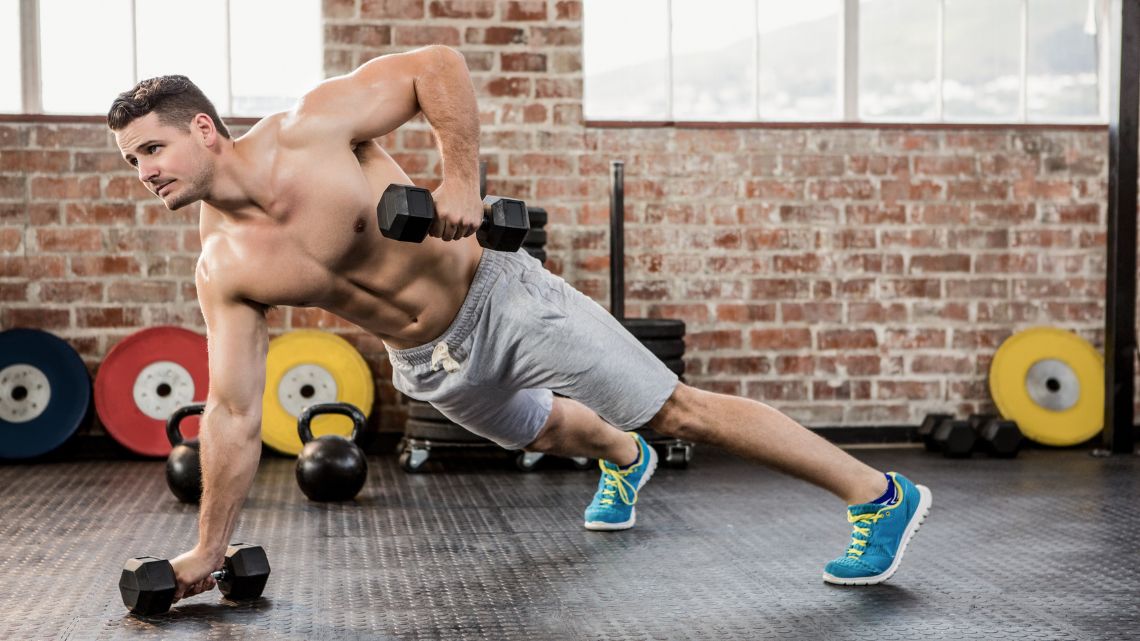
Functional fitness workouts are a category of fitness training that focuses on improving your muscular strength, mobility, balance, and coordination by performing movements that simulate daily life activities. Unlike the conventional mode of strength training which targets one or two muscle groups, functional fitness engages multiple muscle groups simultaneously to assist with your joint health, posture, and help prevent injuries. Therefore, it is important for populations of all ages, as it promotes independence, everyday functions and long term endurance. This blog highlights the ten best functional fitness workouts to develop strength with proper form and effectiveness.
Top 10 Functional Fitness Workouts to Build Strength
- Squats
Predominantly a core exercise in the category of functional fitness, squats exclusively focuses on developing lower body strength—leg muscles like quadriceps, hamstrings, glutes, and core. It significantly help with mobility, balance, and core strength. Daily activities such as sitting and standing, bending, and climbing stairs are resembling this form of exercise. With consistent workout, it supports reducing the risk of falls and increases knee stability, an essential exercise for older adults. Start with basic squats, then slowly add resistance by lifting weight. maintain a controlled and slow movements in order to foster effectiveness and eliminate chances of injuries.
- Deadlifts
Deadlifts are mainly concentrated on the entire posterior chain including glutes, hamstrings, lower back, and core, which are critical to maintaining proper posture and performing safe lifting mechanics. Deadlifts support to build the strength of your spine and create functional strength to support the day-to-day tasks such as picking up objects from the ground to lifting groceries. Keep your back flat when lifting from the ground and hinge from the hips rather than the lower back. Use light weights at the beginning stage as it helps slowly increase the weight with form.
- Lunges
Lunges strengthen the glutes, quadriceps, hamstrings, and calves while improving balance and leg strength on a unilateral basis. As this exercise closely emulates movements we perform frequently, for example when stepping onto curbs, climbing stairs, supporting to correct muscle growth imbalances and increase coordination. While performing lunches, a wall or support from a chair will add stability.
- Push-Ups
Push-Ups concentrates on full body strength by strengthening the muscles of upper back, shoulders, triceps, and mid-section, integral for functions such as carrying weights. It helps develop the basic level of upper body strength necessary to maintain proper posture and help support the spine to prevent injury. Begin with push ups or knee push ups in order to gradually develop the strength and balance for doing full range push ups safely.
- Pull-Ups or Rows
These focus on conditioning the upper back, and shoulders for improving its strength and stability. These muscles are crucially enabling one to lose weight and maintain good posture, safeguarding the shoulder joint, and performing functional tasks that require lifting and carrying heavy objects. It is basically pulling your chest toward a bar or a weight toward your torso. Pulling exercises will typically help to improve spinal alignment and reduce the risk of upper body injuries. Individuals can utilize the help of resistance bands or pull-up workout machines or dumbbells bent over rows to practice this movement. Ensuring proper breathing and movement control is also necessary for efficient results.
- Planks
The Plank exercises mainly targets on core strength—transverse abdominis, obliques, and lower back muscles. A strong core provides spinal support when performing movements and increases stability and balance. Core strength is crucial for many functional movements including bending and twisting to standing for an extended period of time. Side Planks, Planks with Shoulder Taps, or Plank with Leg Lifts are its beginner to intense variations.
- Kettlebell Swings
Kettlebell swings are the body movements using an explosive hip hinge for swinging a kettlebell to chest height. Such movements mimicking bending and lifting concentrates the glutes, hamstrings, core, shoulders, improving posterior chain strength, and cardiovascular fitness. Ensure to drive movements of kettlebell swing with hips and not by arms, maintain a neutral spine and start with lighter kettlebells to perform the exercise with proper technique to ensure safety.
- Medicine Ball Slams
Medicine ball slams are core focused movements which engage shoulders, back, and legs explosively. It also improves coordination and power, while provisioning stress release by targeting a variety of muscle groups simultaneously. Beginners should try lighter medicine balls to perform the movement at a slower pace to reduce stress to their joints. Maintain a slightly bent position on knees during both the lift and slam of the medicine ball.
- Step-Ups
Step-ups exclusively targets glutes, quadriceps, hamstrings, and calves. It improves knee stability and balance, as they are designed to mimic daily functional movements such as climbing stairs and stepping onto elevated surfaces, therefore, they are also ideal for building lower body strength and preventing falls.
- Farmer’s Carry
The farmer’s carry will increase the strength of your core, grip, shoulders, and legs and also simulate the daily activities of carrying groceries and large objects while increasing your endurance and functional stability. Carrying with either arm or single arm that is heavier on one side than the other requires a greater balance and will create inefficiency.
Tips for Safe Functional Strength Training
- Ensure a validated pre workout warm-up sessions and cooling periods through lessEnsure a validated pre workout warm-up sessions and cooling periods through less intense cardio and periodic rest to mobilize joints.
- Ensure to maintain a balanced posture and proper techniques to improve results as well as reduce the potential of injury.
- Adapt to intense workouts gradually by increasing weights instead of rapid overtraining.
To read more, visit The Healthcare Insights.