
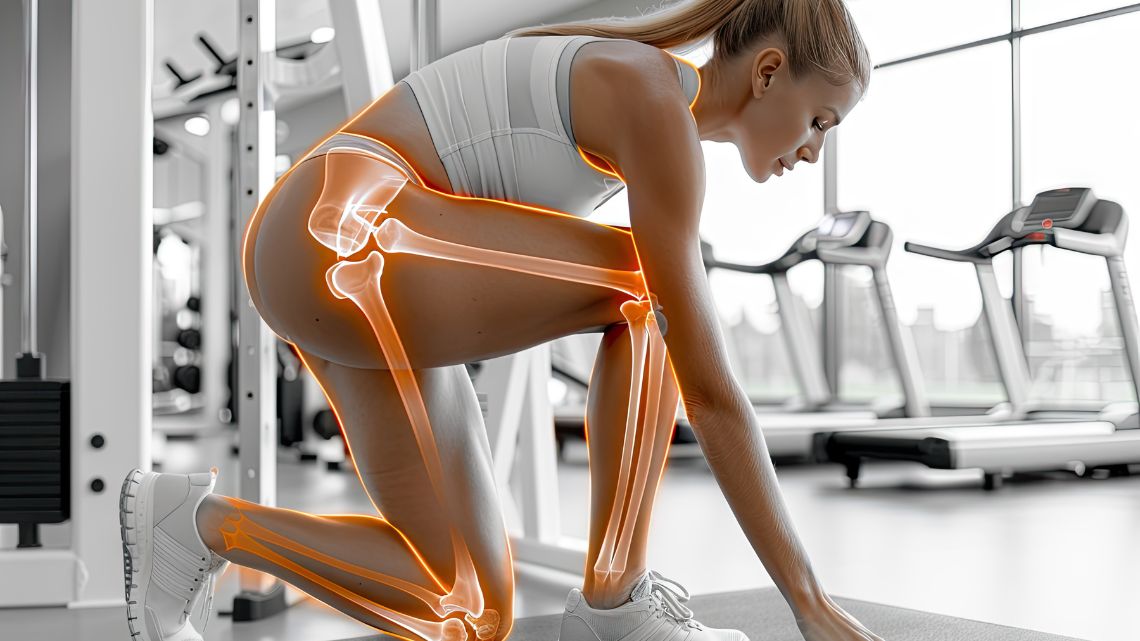
Strong, functional, musculoskeletal systems are the cornerstone to healthy and independent functioning throughout a lifespan. Bones facilitate the rigid scaffolding, muscles support for strength and ligaments and cartilage mange movements in-between, allow you to perform everyday activities efficiently, help prevent injury such as degeneration and chronic pain. With strong evidence stemming from Medical Science, proactive musculoskeletal care maintains posture, flexibility, and independence as you age. In the edge of lack of movements due to increased sedentary lifestyles, maintaining a strong skeletal and tissue health is critical to develop endurance for the long run. By enhancing knowledge engineering, clinical assistance, wellness practices, people can progressively foster musculoskeletal strength beyond age barriers.
What Is the Musculoskeletal System?
The musculoskeletal system refers to the body’s structural and dynamic framework of bones, joints, cartilages and ligaments, comprising hard and soft tissues. The system is responsible for movement, support, organ protection, and stability. It serves as an integrated unit to actively function core biological functions such as:
1. Structural Support: Body posture and movement
2. Locomotion: Muscular contractions contribute to physical functions like walking, running
3. Organ Protection: Serve as a protective shield for internal organs like brain and heart
4. Mineral Storage: Act as a collector for hosting essential minerals like calcium and prosperous
5. Hematopoiesis: Produce red blood cells, white blood cells, platelets within bone marrow tissue
Without a musculoskeletal strength, even daily functioning will feel increasingly difficult.
Components
The musculoskeletal system includes:
- Bones – provide structure and support
- Joints – allow movement between bones
- Muscles – create movement and maintain strength
- Tendons – Anchor muscles to bones
- Ligaments – stabilize tensile strength
- Cartilage – Smooth joint tissues, locks blood vessels, and reduce friction during movement
These components are heavily interconnected. If one gets affected with damage, the whole system may collapse, hindering movement and physical stability.
Why Musculoskeletal Health Matters
Good musculoskeletal health is necessary for preservation of independence, metabolic health, reduced rate of systemic inflammation, and physical endurance. Healthy bones prevents the risk of functional decline, maintain the body away from joint fractures, muscle cramps, and balance coordination. It also reduces chronic inflammation leading to osteoarthritis, enables improved structural stability and posture, reduces chronic pain, and support healthy aging.
Common Causes of Musculoskeletal Problems
- Aging and natural wear and tear
- Sedentary lifestyles
- Nutritional deficiencies
- Repetitive strain
Key Strategies for Musculoskeletal Strength
- Weight-Bearing Exercise
The major types of exercise that respond to mechanical stress are performed with weight on bones, like walking, jogging, and dancing, help to increase the density and strength of your bone health and structure. Such exercise principles place beneficial stress on the body’s skeletal frame to encourage it to stay strong and resilient.
- Strength Training
Resistance training serves to maintain the size of the body’s muscles, as well as the stability of the joints of the body. Using various types of resistance, either with free weights, bands, or the resistance of the body itself, strengthens the body’s muscles, and reduces the strain on them through their normal movement patterns.
- Flexibility and Balance
Stretching, Pilates, Yoga, and balanced exercises like single leg training etc. help for full range of motion and coordination, as it improves joint flexibility without excessive strain. Achieving better flexibility and balance eventually reduce the possibilities of fall and joint instability, postural challenges.
- Essential Nutrition
Nutrition is a direct aggregate to the body’s musculoskeletal wellness. Key nutrients in terms of bones and joints include:
- Calcium serves to provide strength to the bone
- Vitamin D serves to help the body absorb the calcium
- Protein serves to help maintain the integrity of the muscles in the body by promoting the repair and growth of them
- Omega 3 fatty acids provide a way for the body to reduce inflammation.
Some common food sources that should be consumed in order to maintain good bone and joint health include:
– Dairy products, including milk
– Vegetables, including green leafy vegetables
– Fatty fish
– Nuts and seeds
– Lean proteins
- Healthy Lifestyle
The compounding impact of healthy daily habits support recusing the stress on the body’s joints, particularly on the knees and hips. Getting enough sleep helps the body’s tissues recover after exercise; also, avoiding smoking and drinking excessive amounts of alcohol preserves bone density and improves circulation. Also, getting enough movement throughout each day supports the flexibility of joints and muscle functioning.
Musculoskeletal Conditions to Watch For
- Osteoporosis
Osteoporosis is a disease that weakens bones and becomes worse when there is no sign or symptoms regarding its development. It is significantly common among elderly people.
- Arthritis
Arthritis, a degenerative joint disease, which causes inflammation in the joints resulting in pain and stiffness and reduced mobility range. Osteoarthritis generally occurs as an autoimmune condition, causing systemic damage due to inflammation. These conditions can be prevented to a certain degree by early intervention, and concerning anti-inflammatory nutrition, weight management, etc.
- Joint Injuries and Chronic Pain
Chronic pain can be caused by acute joint injuries—meniscal tears, rotator cuff damage—very common problems requiring orthopedic care. When conditions are not actively rehabilitated or treated properly, it may evolve into chronic pain syndromes. The best way to prevent this from occurring is through prompt diagnosis and appropriate treatment incorporating physiotherapy, musculoskeletal targeted exercises, pain education, and psychological support.
Conclusion
A significant rate of populations are affected by disability due to musculoskeletal disorders. Although not all conditions are reversible, but to a certain degree, it can be prevented through practicing weight-bearing exercise, strength training, flexibility, targeted nutrition and healthy lifestyle habits. Nutritional gaps and inactivity among the populations are the leading reasons for measurable joint pain, and later translates to severe conditions like osteoporosis and arthritis. Health is After all, an incremental progress built through conscious life choices.
For more articles, visit The Healthcare Insights.